You may ask why silicon carbide matters today. Silicon carbide, or SiC, happens when silicon and carbon join together. It is very hard and can handle a lot of heat. It also melts at a very high temperature. Many industries use silicon carbide, like steelmaking and electronics. Ferrosilicon and silicon metal are important too. They help make strong materials and often work with silicon carbide to make things better.
Key Takeaways
Silicon carbide (SiC) is made from silicon and carbon. It is a strong material. It is very hard. It can handle high heat.
SiC is used in many industries. These include steelmaking and electronics. It helps products become stronger. It also makes them work better.
Silicon carbide is a semiconductor. This means it can carry electricity in special ways. It is great for high-tech devices. Electric cars use it.
Safety matters when you use silicon carbide. Always wear a mask. The dust can bother your lungs.
Silicon carbide is almost as hard as diamond. It is good for cutting and grinding tools. It is used in car brakes and LED lights too.
Silicon carbide overview

Image Source: unsplash
SiC definition
You might ask what SiC means. SiC is short for silicon carbide. This material forms when silicon and carbon join. Some people call it carborundum. The chemical formula for silicon carbide is SiC. You can find this formula in science books and on labels.
Silicon carbide looks like shiny crystals. It can be black or green. People use SiC because it is very hard. It can scratch almost anything. Diamond is the hardest material. SiC is almost as hard as diamond. This makes it good for cutting and grinding tools.
Note: SiC is not only strong. It can handle high heat and does not melt easily. You can use silicon carbide where other things would break or burn.
Chemical structure
SiC has a simple but strong structure. Each silicon atom bonds to four carbon atoms. Each carbon atom bonds to four silicon atoms. This pattern repeats and forms a crystal. These strong bonds make SiC tough and hard to break.
SiC can look like grains of sand. Sometimes, it is thin wafers for electronics. The way the atoms line up gives silicon carbide its special features. SiC can carry electricity, but not as much as metals. Scientists call it a "semiconductor." You find SiC in many electronic devices because it works well in heat.
Here is a simple table to help you remember:
Property | Description |
Chemical formula | SiC |
Other name | Carborundum |
Color | Black or green |
Hardness | Very high (close to diamond) |
Structure | Crystal lattice of Si and C |
You can see why people pick silicon carbide for many uses. SiC gives you strength, heat resistance, and electrical power. You will learn more about these features soon.
Silicon carbide properties
Physical properties
Silicon carbide is special in many industries. It is very hard and strong. You can use it to cut or polish things. Only diamond is harder than silicon carbide. Silicon carbide does not bend or stretch much. It stays strong under heavy weight.
Silicon carbide can handle high heat. You can use it where it gets hot fast. It does not melt until about 2,700 degrees Celsius. This lets you use it in furnaces and engines. Silicon carbide moves heat away quickly. This helps machines stay cool.
You can find silicon carbide in electronics. It is a wide bandgap semiconductor. This means it carries electricity in special ways. You can use it in devices that need high voltage or heat. Silicon carbide helps power supplies and electric cars work better.
Here is a table with some main physical properties:
Property | Value or Description |
Hardness | Very high (close to diamond) |
Melting Point | About 2,700°C |
Thermal Conductivity | Excellent |
Electrical Conductivity | Wide bandgap semiconductor |
Color | Black or green crystals |
Tip: Silicon carbide is good for tough jobs. It works well in tools, machines, and electronics.
Chemical properties
Silicon carbide does not react with most chemicals. It stays safe from most acids and bases. You can use it in harsh places. It does not break down easily.
Silicon carbide is brittle. It can break if you hit it hard. It does not bend like metal. You need to be careful when cutting or shaping it.
Silicon carbide stays strong for a long time. It does not rust or corrode. You can use it where water or chemicals touch it. It keeps its shape and strength.
You should know about health and safety. Breathing in silicon carbide dust can irritate your nose or throat. Breathing it for a long time can hurt your lungs. You must wear a mask and use good ventilation when working with silicon carbide powder.
Here is a list of important chemical properties:
Note: Always follow safety rules with silicon carbide. Protect your lungs and skin from dust.
SiC manufacturing
Production methods
Factories make silicon carbide in a special way. Most use the Acheson method. They mix sand, which has silicon, with carbon from coke. This mix goes into an electric furnace. The furnace gets very hot, over 2,000 degrees Celsius. The heat makes silicon and carbon join together. This forms crystals of silicon carbide.
You can make powder or bigger crystals. The size depends on how you crush or grind it. Some companies make black silicon carbide for steel plants. Others make green silicon carbide for electronics or polishing. Each type has its own job.
Tip: Always wear safety gear when working with hot furnaces or powders. This keeps you safe from burns and dust.
Industrial scale
Silicon carbide is used in many big industries. Steel plants use it to make strong metals. You also find it in ceramics, abrasives, and electronic parts. Factories make silicon carbide in large amounts. They use big furnaces and advanced machines.
Ferrosilicon and silicon metal are important too. Ferrosilicon adds strength to steel. Silicon metal helps make alloys and chips for electronics. These products often come from the same factories as silicon carbide.
Anyang Zhengzhao Metallurgical Refractory Co., Ltd. is a good example. This company makes high-quality ferrosilicon and silicon carbide. They use modern machines and strict quality checks. Their products go to many countries around the world.
You can see that sic is important in modern industry. You find sic in many things you use every day. Silicon carbide helps build cars, bridges, and smartphones.
Uses of silicon carbide
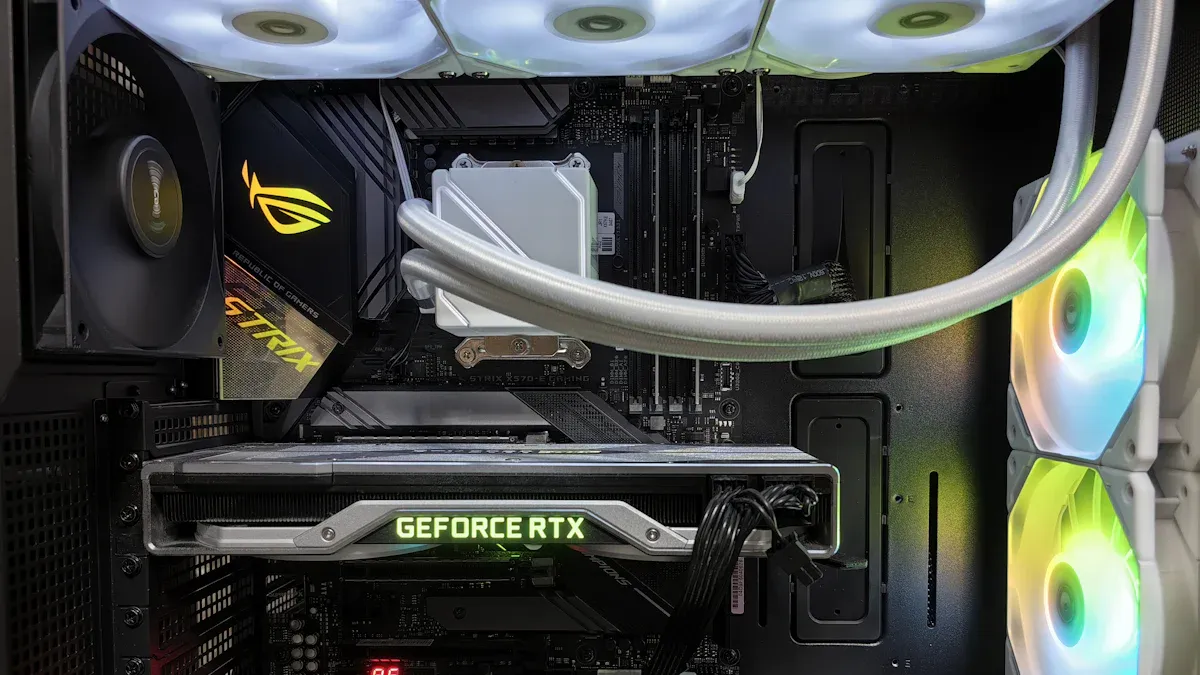
Image Source: pexels
Industrial applications
Factories and plants use silicon carbide a lot. In steelmaking, it makes steel stronger and cleaner. Workers add it to hot metal to take out oxygen and other bad stuff. Many companies use silicon carbide to grind and cut hard things. It is in sandpaper, grinding wheels, and cutting tools. Ceramics factories use it for kiln shelves and bricks. These parts last longer because silicon carbide does not wear out fast.
Note: Many countries buy and sell silicon carbide. You can find it in places like Japan, Korea, Europe, and America. This shows silicon carbide is important all over the world.
Technological uses
People use silicon carbide in electronics and high-tech gadgets. Engineers pick it for power electronics because it handles high voltage and heat. You see it in electric cars, solar inverters, and trains. Silicon carbide lets you make devices that work at higher voltages and switch faster. You can build smaller parts that save space and energy. Many companies use silicon carbide for semiconductors because it works well in tough places.
Everyday uses
Silicon carbide helps in your daily life, even if you do not see it. It is in car brakes and clutches. These parts last longer and work better with silicon carbide. You find it in LED lights and some heating elements. Some jewelry uses silicon carbide to shine. When you use a sharpening stone or nail file, you might use silicon carbide without knowing.
Tip: Silicon carbide makes many tools and devices in your life stronger, safer, and better.
Silicon carbide advantages
Unique features
There are many reasons why silicon carbide is special today. This material helps machines work better and use less energy. It moves heat away from parts very fast. This keeps machines cool and helps them last longer.
Silicon carbide is used in power electronics a lot. It works well even when it gets very hot. It does not break or stop working easily. Electric cars use silicon carbide because it can handle more heat and power than other things. It lets you make parts that can take more electricity without breaking. This means your devices can be safer and stronger.
Some special things about silicon carbide are:
Tip: You can make smaller devices because silicon carbide can handle more power in less space.
Comparison with other materials
You might ask why silicon carbide is better than other ceramics or metals. When you look at regular ceramics, silicon carbide is much harder and lasts longer. Metals can bend or melt if they get too hot, but silicon carbide stays strong.
Here is a table to show the differences:
Material | Hardness | Heat Resistance | Electrical Use | Size of Parts |
Silicon carbide | Very high | Excellent | Power electronics | Smaller form factor |
Regular ceramics | Medium | Good | Limited | Larger |
Metals | Low | Fair | Good | Larger |
Silicon carbide gives you better results. It helps save energy and space. You can use it where other materials would not work. Many companies now pick silicon carbide for these reasons.
Now you know why silicon carbide matters. You learned how people make it. You saw what silicon carbide can do. You found out where it is used. It is in tools, electronics, and cars. You can learn more about ferrosilicon and silicon metal. These materials show how industry changes and grows today.
FAQ
What is silicon carbide used for?
Silicon carbide is used in steelmaking and electronics. It is also in abrasives and ceramics. It helps make strong tools and power devices. Car parts often use silicon carbide. Many factories use it for hard work.
Is silicon carbide safe to handle?
Wear a mask when working with silicon carbide powder. The dust can bother your nose and throat. Always follow safety rules at work.
How does silicon carbide compare to diamond?
Material | Hardness |
Diamond | Highest |
Silicon carbide | Almost as high |
Silicon carbide is almost as hard as diamond. Both can cut and grind other things.
Can you recycle silicon carbide?
You can recycle silicon carbide from old tools and parts. Many companies collect it and use it again. Recycling helps save important resources.
Why do engineers choose silicon carbide for electronics?
Engineers use silicon carbide because it works with high voltage and heat. You see it in electric cars and solar panels. Power supplies also use it. It helps make devices smaller and more efficient.


