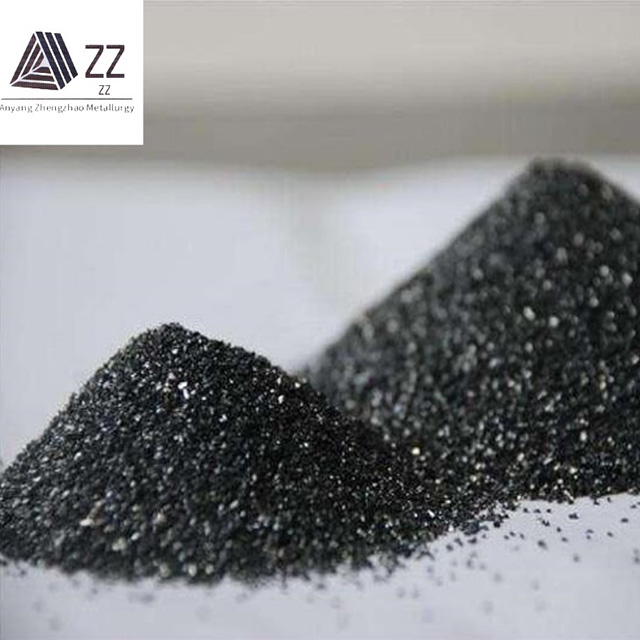
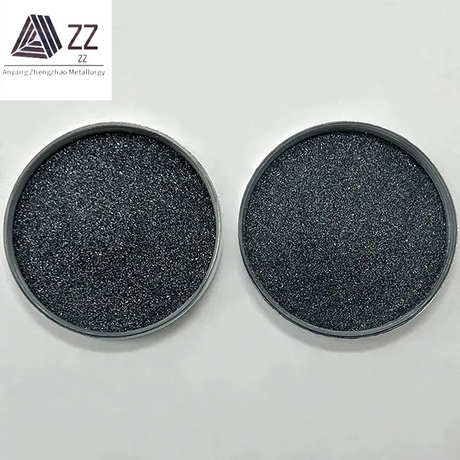
Why do steel plants and high-heat industries rely on one material again and again? silicon carbide(SiC) stands out for strength, heat resistance, and stability. In this article, you will learn what silicon carbide(SiC) is used for, how it works in real production, and why it delivers lasting value.
What Is Silicon Carbide (SiC)?
Basic Definition of Silicon Carbide (SiC)
Silicon carbide (SiC) is a compound formed by silicon and carbon through high-temperature reactions. It is not a rare laboratory material. Instead, it is a widely produced industrial substance designed to handle heat, pressure, and wear. In most real-world applications, silicon carbide (SiC) is manufactured synthetically to ensure stable composition and predictable performance. That consistency matters when it enters steel furnaces, abrasive tools, or high-temperature systems, where small material differences can change results.
Key characteristics that define silicon carbide (SiC):
●It forms a strong crystal structure that resists mechanical damage under load.
●It stays chemically stable even when exposed to heat and reactive environments.
●It is produced in controlled grades to match different industrial uses.
Key Physical and Chemical Properties of Silicon Carbide (SiC)
The value of silicon carbide (SiC) comes from how its physical and chemical properties work together in practice. High hardness allows it to resist wear, while strong thermal performance lets it operate in environments where temperatures fluctuate quickly. These traits make silicon carbide (SiC) suitable for both material processing and structural applications.
Another important factor is thermal behavior. Silicon carbide (SiC) transfers heat efficiently while expanding very little when temperatures rise. That balance helps reduce cracking, deformation, and thermal stress during long production cycles.
Property Category
Performance of Silicon Carbide (SiC)
Practical Impact
Mechanical
Very high hardness and strength
Longer service life, less wear
Thermal
High heat conductivity, low expansion
Stable operation in hot systems
Chemical
Oxidation and corrosion resistance
Reliable performance in harsh environments
Why These Properties Matter in Real Applications
In real production environments, materials face combined stress from heat, friction, and chemical exposure. Silicon carbide (SiC) handles these stresses simultaneously, which is why it appears across steelmaking, abrasives, and refractory systems. It does not rely on a single advantage. Instead, its performance comes from how multiple properties reinforce each other during use.
From an industrial perspective, silicon carbide (SiC) helps achieve:
●More stable production under high temperatures
●Better resistance to wear and thermal shock
●Improved consistency across long production runs
Industrial and Metallurgical Uses of Silicon Carbide (SiC)
In steelmaking and metallurgical processing, silicon carbide (SiC) is valued because it performs several roles at the same time. It works inside high-temperature furnaces where heat, oxidation, and chemical reactions happen together.
Instead of adding separate materials for each task, producers often use silicon carbide (SiC) to simplify control and improve stability. We see it applied in electric arc furnaces, induction furnaces, and ladle metallurgy, where predictable reactions matter more than theory.
Silicon Carbide (SiC) as a Deoxidizer in Steelmaking
Silicon carbide (SiC) helps remove excess oxygen from molten steel during refining. When oxygen stays in the melt, it causes inclusions and weakens final products. SiC reacts steadily in the furnace, so operators can manage oxygen levels more easily. It also supports cleaner steel, which improves mechanical strength and surface quality in finished products.
Steel producers prefer it because it works consistently across different furnace conditions. It reduces sudden reaction spikes and helps maintain smoother process control during tapping and casting.
Practical effects in steel production include:
●Cleaner molten steel and fewer non-metallic inclusions.
●Improved tensile strength and fatigue resistance.
●More predictable refining results during continuous production.
Silicon Carbide (SiC) as a Silicon and Carbon Source
Another reason silicon carbide (SiC) is widely used is its dual function. It supplies both silicon and carbon in one material, which simplifies alloy design. Instead of adding separate silicon alloys and carbon sources, producers can rely on SiC to deliver both elements gradually. This helps control chemistry more precisely during smelting.
It also reduces handling steps. Fewer materials mean simpler logistics and lower risk of dosing errors. For large-scale steel plants, this efficiency becomes important over long production runs.
From a metallurgical control perspective, SiC helps by:
●Reducing the number of alloying additions needed.
●Supporting balanced silicon and carbon recovery rates.
●Improving overall melt stability during adjustment stages.
Energy-Saving Benefits of Silicon Carbide (SiC) in Metallurgy
Energy efficiency is a key concern in modern metallurgy, and silicon carbide (SiC) plays a role here as well. Its reactions inside the furnace support faster melting and shorter refining cycles. When smelting time drops, electricity and fuel use drop too. Over time, these savings become visible in operating costs.
Producers often notice that furnaces reach target chemistry sooner. That allows better scheduling and higher throughput without increasing energy input.
Metallurgical Aspect
Role of Silicon Carbide (SiC)
Operational Benefit
Deoxidation
Reacts steadily in molten steel
Cleaner steel melt
Alloy contribution
Supplies silicon and carbon
Fewer additives needed
Energy efficiency
Shortens smelting time
Lower power consumption
Why Silicon Carbide (SiC) Is Widely Used in Modern Steel Production
Modern steelmaking demands stability, cost control, and repeatability. Silicon carbide (SiC) fits these needs because it behaves reliably under furnace conditions. It does not introduce sharp reaction swings, and it integrates well into existing processes. Compared to traditional additives, it often delivers better value when total process efficiency is considered.
Producers working with experienced suppliers such as ZZ Ferroalloy benefit from consistent SiC composition and flexible sizing options. This makes silicon carbide (SiC) easier to apply across different steel grades and furnace setups, supporting long-term production planning without frequent adjustments.
Abrasive and Wear-Resistant Applications of Silicon Carbide (SiC)
Silicon Carbide (SiC) in Grinding and Cutting Tools
Silicon carbide (SiC) is widely used in grinding wheels, cutting discs, and sandpaper. Its grain structure forms sharp edges during crushing, so tools cut aggressively rather than rubbing surfaces. That behavior helps operators remove material faster and achieve smoother finishes in less time. It also means fewer tool changes during long production runs.
In practical use, they rely on silicon carbide (SiC) for metals, ceramics, and other hard materials. It stays effective even when cutting pressure increases. That reliability explains why many abrasive manufacturers continue to specify SiC for demanding applications.
Wear-Resistant Parts Made with Silicon Carbide (SiC)
Beyond abrasives, silicon carbide (SiC) plays a key role in wear-resistant components. It appears in linings, nozzles, wear plates, and protective layers where constant abrasion damages standard materials. SiC resists surface erosion, so parts last longer and fail less often.
Application Area
Role of Silicon Carbide (SiC)
Practical Result
Grinding tools
Sharp abrasive grains
Faster material removal
Cutting discs
High hardness and stability
Clean, controlled cuts
Wear components
Abrasion resistance
Longer service life
Why industries rely on silicon carbide (SiC) for wear control:
●It maintains strength under continuous friction.
●It reduces replacement cycles for critical parts.
●It supports steady output in high-wear processes.
High-Temperature and Refractory Uses of Silicon Carbide (SiC)
Silicon Carbide (SiC) in Furnace and Kiln Components
Silicon carbide (SiC) performs reliably in furnace parts exposed to constant heat and rapid temperature change. It handles thermal shock well, so cracks form less often during heating and cooling cycles. That behavior helps maintain smooth furnace operation and avoids sudden shutdowns.
They use it in kiln furniture, furnace linings, heating zones, and support structures. Over time, silicon carbide (SiC) reduces maintenance frequency and keeps production schedules more predictable.
●It tolerates extreme temperatures without softening.
●It resists cracking during rapid heat changes.
●It keeps mechanical strength during long operating cycles.
Silicon Carbide (SiC) in Refractory Materials
In refractory systems, silicon carbide (SiC) improves resistance to erosion and chemical attack. Molten metals, slag, and hot gases constantly wear down ordinary refractories. SiC strengthens the structure and slows surface damage. That makes refractory blocks last longer in harsh zones.
Refractory Area
Role of Silicon Carbide (SiC)
Operating Advantage
Furnace linings
Thermal and wear resistance
Longer service life
Kiln furniture
Structural stability
Reduced deformation
High-wear zones
Erosion resistance
Lower maintenance
Key performance gains in refractory applications:
●Better resistance to corrosion from slag and gases.
●Reduced material loss in high-friction areas.
●More stable operation during continuous high-temperature use.
How to Choose the Right Silicon Carbide (SiC) for Your Application
Selecting Silicon Carbide (SiC) by Application Type
Application type shapes every decision. Steelmaking focuses on chemical behavior and recovery. Abrasives focus on hardness and grain sharpness. Refractory systems focus on heat resistance and durability. When they choose correctly, operators avoid trial-and-error adjustments later.
We usually map requirements first, then select silicon carbide (SiC) grades that match operating conditions, furnace type, or tool design.
Typical selection logic by use case includes:
●Steelmaking: prioritize chemical stability and controlled silicon and carbon contribution.
●Abrasives: prioritize hardness, sharp grain structure, and consistent crushing behavior.
●Refractory uses: prioritize thermal shock resistance and corrosion resistance.
Particle Size and Purity Considerations
Particle size and purity directly affect how silicon carbide (SiC) behaves during use. Larger particles react slower and suit bulk metallurgical additions. Fine powders react faster and suit abrasives or surface treatments. Purity influences reaction efficiency and long-term consistency.
When size or purity is mismatched, processes become harder to control. They may see uneven reactions, higher consumption, or unstable results during long runs.
Selection Factor
Coarser Grades
Finer Grades
Reaction speed
Slower
Faster
Typical use
Steelmaking
Abrasives, polishing
Control focus
Chemistry
Surface quality
Working with Experienced Silicon Carbide (SiC) Suppliers
Supplier experience matters as much as material selection. Integrated producers control raw materials, smelting, sizing, and inspection. That control reduces variation between batches and improves predictability in use.
When working with experienced suppliers such as ZZ Ferroalloy, buyers gain access to stable composition, flexible sizing, and custom specifications. This support helps silicon carbide (SiC) fit smoothly into existing systems instead of forcing process changes.
How to Choose the Right Silicon Carbide (SiC) for Your Application
Selecting Silicon Carbide (SiC) by Application Type
Application type shapes every decision. Steelmaking focuses on chemical behavior and recovery. Abrasives focus on hardness and grain sharpness. Refractory systems focus on heat resistance and durability. When they choose correctly, operators avoid trial-and-error adjustments later.
We usually map requirements first, then select silicon carbide (SiC) grades that match operating conditions, furnace type, or tool design.
Typical selection logic by use case includes:
●Steelmaking: prioritize chemical stability and controlled silicon and carbon contribution.
●Abrasives: prioritize hardness, sharp grain structure, and consistent crushing behavior.
●Refractory uses: prioritize thermal shock resistance and corrosion resistance.
Particle Size and Purity Considerations
Particle size and purity directly affect how silicon carbide (SiC) behaves during use. Larger particles react slower and suit bulk metallurgical additions. Fine powders react faster and suit abrasives or surface treatments. Purity influences reaction efficiency and long-term consistency.
When size or purity is mismatched, processes become harder to control. They may see uneven reactions, higher consumption, or unstable results during long runs.
Selection Factor
Coarser Grades
Finer Grades
Reaction speed
Slower
Faster
Typical use
Steelmaking
Abrasives, polishing
Control focus
Chemistry
Surface quality
Working with Experienced Silicon Carbide (SiC) Suppliers
Supplier experience matters as much as material selection. Integrated producers control raw materials, smelting, sizing, and inspection. That control reduces variation between batches and improves predictability in use.
When working with experienced suppliers such as ZZ Ferroalloy, buyers gain access to stable composition, flexible sizing, and custom specifications. This support helps silicon carbide (SiC) fit smoothly into existing systems instead of forcing process changes.
Conclusion
Silicon carbide (SiC) is widely used in steelmaking, abrasives, and high-temperature systems because it combines hardness, thermal stability, and chemical resistance. It improves deoxidation efficiency, reduces energy use, and extends equipment life. Products from ZZ Ferroalloy offer stable composition, flexible sizing, and reliable supply, helping industrial users achieve consistent performance and long-term value.
FAQ
Q: What is silicon carbide (SiC) used for?
A: Silicon carbide (SiC) is used in steelmaking, abrasives, and refractory applications for durability.
Q: Why is silicon carbide (SiC) important in steelmaking?
A: Silicon carbide (SiC) removes oxygen and adds silicon and carbon efficiently.
Q: How does silicon carbide (SiC) save energy?
A: Silicon carbide (SiC) shortens smelting time and lowers power consumption.
Q: Is silicon carbide (SiC) suitable for high temperatures?
A: Silicon carbide (SiC) resists heat and thermal shock in furnaces.
Q: Is silicon carbide (SiC) expensive?
A: Silicon carbide (SiC) offers good value by reducing maintenance and energy costs.