Ferrosilicon plays an essential role in metallurgy, steelmaking, casting, and various industrial processes. As a critical alloying product used worldwide, it is routinely handled in large quantities across smelters, foundries, and manufacturing plants. With its widespread use, understanding whether ferrosilicon is dangerous to handle—along with the practical safety measures that ensure risk-free operations—becomes extremely important. The physical, chemical, and reactive characteristics of ferrosilicon can pose certain hazards if not managed correctly. Fortunately, with proper knowledge, responsible storage, and standard industrial controls, ferrosilicon can be handled safely and efficiently. This article provides a focused, actionable guide to help workers, manufacturers, and buyers understand ferrosilicon-related risks and the best practices to mitigate them.
Contents
Understanding Ferrosilicon and Its Industrial Behavior
Potential Hazards Associated With Handling Ferrosilicon
Dust-Related Risks and How to Control Them
Fire & Explosion Characteristics of Ferrosilicon
Safe Storage Guidelines for Ferrosilicon
Protective Equipment and Handling Best Practices
Transport and Packaging Considerations
Environmental and Workplace Compliance Factors
Conclusion
FAQ
Understanding Ferrosilicon and Its Industrial Behavior
Ferrosilicon is an iron-silicon alloy typically containing 15%, 45%, 65%, 75%, or higher silicon content depending on the industrial grade. It is primarily used as a deoxidizer, inoculant, and alloy additive in steelmaking and casting processes. The high silicon concentration gives ferrosilicon unique reactive properties—some beneficial, some requiring safety precautions. While the alloy itself is relatively stable in its lump or granulated form, certain conditions such as fine powder dispersion, moisture exposure, or contact with oxidizers can change its behavior significantly. To accurately assess whether ferrosilicon is dangerous to handle, it is essential to understand these characteristics and their implications for on-site workers and equipment.
Potential Hazards Associated With Handling Ferrosilicon
Ferrosilicon is not inherently dangerous when handled as intended, but specific hazards can arise depending on its form and environmental conditions. The primary concerns include dust generation, the possibility of hydrogen formation when exposed to moisture, heat-release reactions during alloy melting, and physical injuries during bulk handling. The alloy can also present edge-sharpness risks when in crushed form and may contain trace impurities such as aluminum or calcium, which can increase reactivity. Workers should remain aware that ferrosilicon does not spontaneously ignite or combust under normal storage conditions, but handling mistakes—especially with fine powders—can escalate risks. Evaluating these hazards helps companies design safer workflows and prevent avoidable accidents.
Dust-Related Risks and How to Control Them
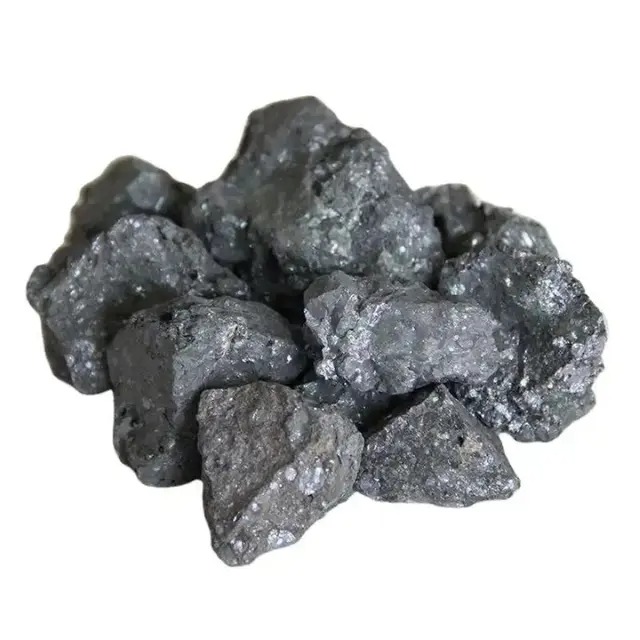
Ferrosilicon dust poses one of the most common hazards in industrial environments. When ferrosilicon is crushed, transported, or transferred using conveyors, fine particles may become airborne. Prolonged inhalation of mineral dust can irritate the respiratory system, and in poorly controlled environments, dust clouds can limit visibility or settle on sensitive equipment. Although ferrosilicon is not classified as a toxic dust, chronic exposure without protection is undesirable. The dust may also carry trace oxide particles depending on the production method. Effective dust control strategies include enclosed material handling systems, regular sweeping with non-sparking tools, proper ventilation, and the use of respirators in high-dust zones. These measures significantly reduce the perceived dangers of handling the material.
Table 1: Dust Exposure Control Methods for Ferrosilicon
| Control Method | Description | Typical Effectiveness |
| Local Exhaust Ventilation | Captures dust at its source | Very High |
| Enclosed Conveyors/Loaders | Prevents dust escape | High |
| Water Mist or Fog Suppression | Reduces airborne particles | Moderate to High |
| PPE (Respirators & Goggles) | Protects individual workers | High for personal safety |
Fire & Explosion Characteristics of Ferrosilicon
One of the most important questions concerning ferrosilicon safety is whether it can ignite, explode, or fuel fires. Solid ferrosilicon lumps do not burn and are generally non-flammable. However, ferrosilicon powder in a fine, dry state can present explosion hazards under specific conditions because dust clouds of many metallic materials can react rapidly with oxygen when ignited. A second concern is the formation of hydrogen gas when high-silicon ferrosilicon reacts with moisture or water. This reaction is typically slow but can accelerate with higher silicon content or impurities. Hydrogen is highly flammable, so preventing moisture contact during storage and transport is crucial. To manage these risks, companies must follow controlled melting procedures, monitor moisture levels, and prevent the creation of dust clouds in enclosed areas.
Table 2: Ferrosilicon Fire & Explosion Trigger Conditions
| Hazard Type | Trigger Condition | Preventive Action |
| Dust Explosion | Dispersion of fine ferrosilicon powder in air + ignition source | Minimize dust, eliminate sparks, ensure ventilation |
| Hydrogen Formation | Contact with water, humidity, or wet containers | Keep material dry; use moisture-free storage |
| Thermal Reaction During Melting | Adding wet ferrosilicon into molten metal | Pre-dry materials before furnace charging |
Safe Storage Guidelines for Ferrosilicon
Proper storage significantly reduces the risks associated with ferrosilicon handling. The key objective is maintaining a dry, stable, and contamination-free environment. Ferrosilicon should be stored in sealed bags, metal containers, or sheltered bulk warehouses where exposure to rain or humidity is minimal. Containers should be placed on raised pallets to prevent ground moisture absorption. Facilities handling large volumes need to implement routine inspections for leaks, condensation, or temperature variations. The storage area should also be free from oxidizers, acids, or strong alkali materials, as these substances can react with trace elements in ferrosilicon. Well-organized labeling and access control ensure that workers understand which grades require stricter precautions. Through consistent storage procedures, the perception of danger associated with ferrosilicon drops dramatically.
Protective Equipment and Handling Best Practices
Personal protective equipment (PPE) plays an essential role in minimizing risks for workers regularly handling ferrosilicon. Although the alloy is not harmful to skin contact, gloves protect against sharp edges and reduce abrasion risks. Safety glasses or goggles prevent dust from entering the eyes, while respirators can be used in dusty environments or during pouring and crushing processes. Workers should also wear protective clothing to shield against sparks or heat exposure during furnace charging. The best practices for handling ferrosilicon include avoiding unnecessary powder disturbance, ensuring slow and controlled loading into furnaces, and using mechanical equipment for heavy lifting. Training workers on recognizing dust conditions, emergency responses, and handling wet materials enhances workplace safety and ensures compliance with industry standards.
Transport and Packaging Considerations
Transporting ferrosilicon poses specific challenges depending on the distance, climate, and packaging type. In international trade, the material is often shipped in 1-ton jumbo bags, sealed steel drums, or bulk containers. These packages must be moisture-proof and secured to prevent tearing or accidental contact with water. Transport vehicles should maintain a dry environment, and operators must confirm that the cargo area is free from chemical residues. Regulations in some countries classify high-silicon ferrosilicon as a hazardous material due to its potential hydrogen-generation ability when wet, requiring specific transport documentation. Loading and unloading should be conducted with forklifts or cranes designed to handle heavy metal alloys safely. When these transport guidelines are followed, the risk level associated with ferrosilicon remains very low.
Environmental and Workplace Compliance Factors
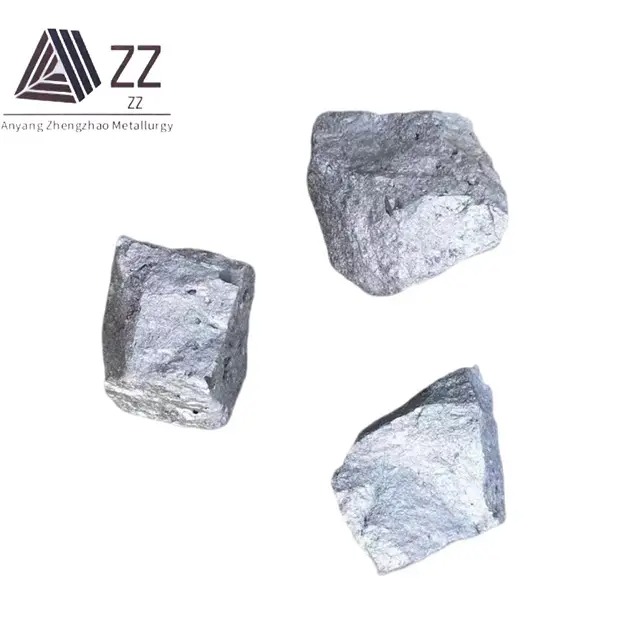
Environmental compliance plays a major role in determining whether ferrosilicon is dangerous to handle from a regulatory perspective. Dust emissions, water contamination, and improper waste disposal can lead to fines or operational disruptions. Ferrosilicon waste should remain dry and be disposed of according to local regulations concerning metal alloys and industrial by-products. Manufacturers must implement dust emission controls and may need to monitor air quality depending on production scale. Worker health assessments and periodic safety training are also part of compliance obligations. OSHA, REACH, and similar agencies do not classify ferrosilicon as a severe hazard, but they emphasize the importance of preventing dust inhalation and ensuring moisture-controlled environments. Following compliance guidelines ensures stable, predictable, and safe ferrosilicon operations.
Conclusion
Ferrosilicon is not inherently dangerous to handle when appropriate industrial precautions are followed. Its most significant risks—dust generation, hydrogen formation upon contact with water, and fine-particle explosion potential—are all preventable through proper storage, controlled handling, and effective safety training. By maintaining a dry environment, using correct PPE, implementing dust-suppression strategies, and adhering to transportation and compliance regulations, companies can handle ferrosilicon safely and efficiently. Understanding these factors empowers workers and managers to operate confidently and minimize risks across all stages of ferrosilicon use.
FAQ
1. Is ferrosilicon toxic?
Ferrosilicon is not classified as toxic. However, dust inhalation can irritate the respiratory tract, so protective masks are recommended in dusty areas.
2. Can ferrosilicon explode?
Ferrosilicon lumps cannot explode, but fine ferrosilicon powder can become explosive if dispersed in air and exposed to an ignition source.
3. Why must ferrosilicon be kept dry?
When ferrosilicon—especially high-silicon grades—comes into contact with water, it can release hydrogen gas, which is flammable.
4. Is it safe to touch ferrosilicon?
Yes. Skin contact with ferrosilicon is generally safe, although gloves are recommended to avoid cuts from sharp edges.
5. Which industries require the strictest ferrosilicon handling procedures?
Steel plants, foundries, alloy producers, and facilities storing fine ferrosilicon powder implement the most stringent safety controls due to dust and moisture-related risks.


